Tree Pruning in Blackfriars
Professional Tree Care for Homes, Businesses, and Shared Spaces
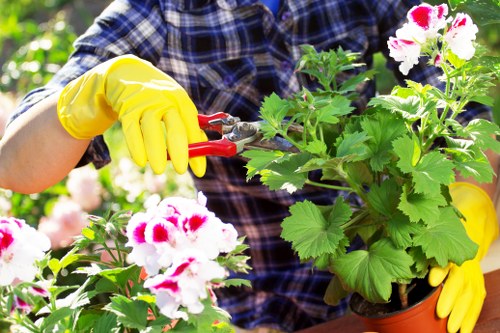
Tree pruning in Blackfriars is about much more than tidying up branches. In a busy central London location like Blackfriars, well-timed pruning helps trees stay healthy, look attractive, and remain practical for the people, buildings, and streets around them. Whether you manage a courtyard tree, a row of mature planting near a commercial property, or a tree in a private garden close to the River Thames, the right pruning service can make a real difference.
Local property owners often need a service that understands the realities of the area: tight access, limited parking, nearby foot traffic, shared boundaries, and the need to work carefully around historic and modern buildings alike. A good pruning job should support the tree’s long-term condition while reducing issues such as low overhanging limbs, shading, obstruction, and weak or congested growth.
Our approach to tree pruning in Blackfriars is designed for real-world customer needs. That means clear communication, careful site planning, and work carried out with attention to safety, tree health, and the appearance of your property. If you need to improve light, create clearance, manage size, or reduce the risk of broken branches, book your service now or request a quote from a local team that understands the area.
Why Tree Pruning Matters in Blackfriars
In Blackfriars, trees are often part of a compact urban landscape. They may sit alongside office entrances, apartment courtyards, church grounds, riverside walkways, or small private gardens tucked between buildings. In settings like these, pruning is not simply cosmetic. It is a practical part of keeping the space usable, safe, and pleasant throughout the year.
Pruning can help to remove dead, damaged, or crossing branches before they become a problem. It can also lift canopies to improve clearance for pedestrians, reduce interference with windows and paths, and bring more natural light into shaded areas. For business premises, this can matter a great deal: a tidy, well-managed tree can support a professional appearance and make outdoor areas feel more open and welcoming.
For residential customers, proper pruning may also help trees fit better within their surroundings. Many properties in and around Blackfriars have limited outdoor space, and a tree that grows unchecked can quickly become difficult to live with. Pruning helps balance the tree’s form with the needs of the property, neighbours, and surrounding structures. Good pruning is preventive care as much as it is maintenance.
What Our Tree Pruning Service Typically Includes

Every tree is different, which is why a professional pruning service should begin with a proper assessment. The goal is to understand the tree’s species, size, condition, previous work, and position before deciding on the most suitable cuts. This matters in Blackfriars, where trees may be influenced by building shade, reflected heat, limited rooting space, and exposure to wind between taller structures.
A typical pruning service may include removing deadwood, thinning congested growth, reducing branches that extend too far, lifting lower limbs, and shaping the crown in a way that suits both the tree and the site. Depending on the tree and your aims, pruning may also help create more clearance over driveways, walkways, entrances, or neighbouring boundaries.
We also focus on careful site cleanup. That includes clearing branches and debris from the work area so your property is left neat and usable. For many customers, especially those in shared residential developments or commercial premises, this practical finish is just as important as the pruning itself. Attention to detail helps the service feel seamless from start to finish.
Types of Pruning We Carry Out
Different trees and different sites call for different methods. A sensible pruning plan should always be shaped by the condition of the tree, the time of year, and the result you want to achieve. Below are some of the most common pruning approaches requested by customers looking for tree pruning in Blackfriars.
Crown thinning
Crown thinning removes selected branches throughout the canopy to reduce density without changing the overall shape too dramatically. It can improve light penetration and air movement, which may be useful where trees are becoming too heavy or cluttered. It is often chosen for mature trees near offices, gardens, and communal spaces where a lighter canopy is more suitable.
Crown lifting
Crown lifting removes lower branches to create vertical clearance. This is a common choice for trees near footpaths, roads, building entrances, and landscaped access ways. In Blackfriars, where public movement and building access are often important, this can make a big practical difference.
Crown reduction
Crown reduction reduces the overall size of the canopy while keeping the tree balanced and proportionate. It is often used where a tree is becoming too large for its space or where branches are encroaching on buildings and neighbouring property. A careful reduction should aim to preserve the tree’s natural character rather than leaving it harshly cut back.
Deadwood removal
Deadwood removal takes out branches that are no longer living and may fall unexpectedly. This can improve safety and help maintain a tidy appearance, especially in locations used by the public or near entrances and outdoor seating areas.
Formative pruning for younger trees
Young trees also benefit from thoughtful pruning. Formative pruning helps establish a strong structure early on, reducing the likelihood of future problems such as weak branch unions or awkward growth. For property managers and homeowners in Blackfriars, this can be a smart long-term investment in the tree’s shape and safety.
How Tree Pruning Helps Different Property Types
Blackfriars has a mix of property styles, and each one brings its own considerations. A service that works well for one location may not be suitable for another. That is why the best pruning solutions are always tailored.
- Residential gardens: Improve light, shape trees to fit smaller outdoor spaces, and reduce branches over lawns, patios, or neighbouring boundaries.
- Apartment and flat developments: Manage communal planting with care so trees remain attractive without interfering with access, security, or maintenance routines.
- Commercial properties: Keep outdoor areas neat, professional, and accessible for staff, visitors, and clients.
- Riverside and courtyard settings: Address wind exposure, view corridors, and space limitations while preserving the tree’s value to the site.
- Institutional and heritage-style surroundings: Carry out sensitive pruning that respects the character of the location and its established landscape.
Many local customers need pruning because a tree has simply outgrown its setting. In a dense urban environment, even a healthy tree can begin to affect windows, gutters, walls, balconies, or shared access routes. Timely pruning helps keep the tree compatible with the space around it while reducing the need for more significant work later.
For businesses, carefully managed trees can also support day-to-day practicality. Branches blocking signs, entrances, or lighting can create avoidable issues. Strategic pruning helps keep the property presentable and functional without removing the value that trees bring to the environment.
Why Choose a Local Blackfriars Tree Pruning Team?
Choosing a local team matters because Blackfriars presents a very specific working environment. Access can be tight, parking may be limited, and some sites require careful planning around loading bays, timed access windows, or pedestrian-heavy surroundings. A local service understands these realities and can prepare accordingly.
There is also value in working with a team that understands the variety of trees and property types found in and around the area. From riverside developments and offices to small private gardens and shared green spaces, the needs of each site can differ considerably. A local arborist-style approach helps ensure the pruning is practical, proportionate, and appropriate for the setting.
Experience with urban tree care is especially useful where there are nearby structures, delicate landscaping, or ongoing site management requirements. A local company is more likely to appreciate the balance between tree health, appearance, safety, and the daily use of the property. If you want tree pruning in Blackfriars that feels organised and reliable, a nearby specialist is often the best fit.
What to Expect When You Book Tree Pruning
Many customers want to know how the service works before they enquire. A good pruning job should be straightforward, well planned, and easy to understand. While every site is different, the process typically follows a sensible sequence.
- Initial discussion: You explain what is happening with the tree and what you want to achieve.
- Site assessment: The tree, access, nearby obstacles, and any practical concerns are reviewed.
- Pruning plan: The most suitable type of pruning is chosen based on the tree and your aims.
- Work carried out: Branches are carefully removed using appropriate methods and equipment.
- Cleanup and finish: The site is cleared so the area is left tidy and manageable.
This process helps ensure the work is not rushed. It also gives customers confidence that the tree is being treated as a living asset rather than simply being cut back for convenience. Good pruning should always aim for a clean, balanced result that suits the tree’s condition and the customer’s property needs.
Where needed, the team can also discuss whether the tree may benefit from ongoing maintenance rather than a one-off visit. For some sites, regular light pruning is a better long-term solution than heavier cutting after long periods of growth.
Preparing for a Pruning Visit
A little preparation can help the work go smoothly, particularly in busy central London locations. If you are arranging tree pruning in Blackfriars, the checklist below can help you get ready.
Preparation checklist
- Make sure the tree and the surrounding area are accessible on the day.
- Move vehicles if they are likely to block access or work space.
- Let neighbours or building managers know if shared access is involved.
- Clear away delicate items, outdoor furniture, or temporary decorations near the work zone.
- Highlight any concerns such as overhanging branches, weak stems, or restricted entry points.
- Tell the team about any site rules, delivery times, or access restrictions that may apply.
In many Blackfriars settings, access planning can be just as important as the tree work itself. Some properties have narrow entrances, internal courtyards, or management procedures that affect when and how work can take place. Sharing these details early helps avoid delays and allows the service to run more efficiently.
It is also helpful to think about what you want the pruning to achieve. Are you mainly looking for more light? Better clearance? A tidier shape? Safer overhead growth? The clearer your aim, the easier it is to choose the right approach.
Pricing Factors for Tree Pruning
Customers often want an idea of what affects the cost of pruning, even if exact prices are not given upfront. Several practical factors usually shape the quote for a tree pruning job in Blackfriars.
- Tree size and height: Larger trees generally require more time, equipment, and planning.
- Tree condition: Trees with deadwood, congestion, or previous poor pruning may need more careful work.
- Type of pruning: Crown reduction, lifting, thinning, and deadwood removal each involve different levels of work.
- Access constraints: Tight courtyards, limited parking, or difficult positioning can affect the job setup.
- Waste volume: The amount of cut material generated by the pruning can influence removal and cleanup needs.
- Site complexity: Trees near glass, roofs, wiring, neighbouring land, or public routes may need extra care.
Because each tree is different, the best way to get a fair figure is to request a site-specific quote. That allows the team to assess the tree properly and recommend the right level of work. For local customers, this is often the most transparent and practical approach.
If you are comparing services, it is worth focusing on what is included as well as the price itself. A detailed quote should reflect planning, pruning method, cleanup, and the particular requirements of your property.
Signs Your Tree May Need Pruning
Not every tree needs attention every year, but there are common signs that pruning could be useful. Watching for these signs can help you act before a small issue becomes a larger one.
- Branches are brushing against windows, roofs, or walls.
- Lower limbs are blocking paths, doors, or vehicle access.
- The canopy has become overly dense and is casting too much shade.
- There are dead, broken, or hanging branches visible in the crown.
- Growth looks unbalanced or is leaning heavily to one side.
- The tree is affecting neighbouring boundaries or shared spaces.
- You have inherited a tree that appears to have been cut poorly in the past.
These signs do not always mean urgent work is required, but they do suggest the tree should be checked by someone who understands pruning. In an area like Blackfriars, where space is often limited and property lines are close together, it is sensible to address these issues early.
Timely pruning can help avoid damage, improve appearance, and preserve a tree that might otherwise become difficult to manage. It is often far better to make small, thoughtful adjustments than to leave the tree until heavy intervention is needed.
Residential Tree Pruning in Blackfriars
For homeowners and tenants with responsibility for outdoor space, tree pruning often needs to balance practical concerns with the desire to keep a garden attractive. Many homes in and around Blackfriars have compact gardens, courtyards, roof terraces, or shared outdoor areas, and each layout brings different priorities.
Residential customers commonly ask for branches to be lifted over seating areas, thinned to bring in daylight, or reduced where growth has become too dominant. In some cases, pruning can also help restore a better shape after storm damage or years of uneven growth. The aim is to keep the tree healthy while making the garden more enjoyable and usable.
If your property is close to neighbouring homes, pruning can also help reduce disputes over overhanging growth and improve boundary clarity. A professional service approaches these issues carefully and with respect for the tree, the property, and the surrounding homes.
Commercial Tree Pruning in Blackfriars
Commercial customers often have different priorities from residential clients. Offices, retail premises, managed buildings, hospitality spaces, and institutional sites may need trees kept neat, safe, and unobtrusive without losing their visual appeal.
Tree pruning for commercial sites may be requested to maintain clear sightlines, improve entrance visibility, support safer movement around pedestrian routes, or keep outdoor areas presentable for visitors and staff. Trees that are not managed properly can quickly become a nuisance if they interfere with signage, lighting, or building access.
Commercial work often requires a team that can plan around business hours, access arrangements, and the need to minimise disruption. That is one of the reasons a local service can be so helpful: it is easier to coordinate with the realities of the site and the area.
Areas Covered Around Blackfriars
Tree pruning is often arranged not only in Blackfriars itself but also in nearby parts of central and inner London where similar property types and access conditions apply. Customers often need help across surrounding districts with a mix of homes, business premises, and managed developments.
Nearby and commonly served areas may include:
- Southwark
- Temple
- Waterloo
- Holborn
- Covent Garden
- City of London
- St Paul’s area
- Bankside
If your property sits near Blackfriars Bridge, along the river, or within a neighbouring central London district, the same careful planning is often needed. Narrow access points, busy roads, and shared outdoor spaces are common themes across the area, and a local team should be ready for those conditions.
Why Tree Health Should Come First
Good pruning is not about removing as much as possible. It is about making selective cuts that benefit the tree over time. Over-pruning can stress a tree, alter its natural shape, and create avoidable future problems. That is why experience matters.
A well-managed pruning plan considers the species, season, and current structure of the tree. Some trees tolerate pruning better than others, and certain cuts are more appropriate than others depending on the purpose of the work. The aim should always be to keep the tree vigorous, balanced, and suited to its setting.
Healthy pruning supports healthy growth. When done properly, the tree can continue to provide shade, privacy, visual value, and environmental benefits while becoming easier to live and work around.
Frequently Asked Questions
How often should trees be pruned?
It depends on the species, age, and location of the tree. Some trees only need occasional light maintenance, while others benefit from more regular attention. Trees in busy or confined Blackfriars locations may require more frequent checks to make sure they are not affecting access or nearby structures.
Is pruning always necessary?
No. A healthy tree with plenty of space may not need work immediately. However, if branches are causing obstruction, deadwood is present, or the canopy has become overly dense, pruning can be a sensible solution.
Can pruning improve the look of my property?
Yes. Trees that are shaped well can make a property feel cared for and balanced. Pruning can improve symmetry, let in more light, and remove overgrown sections that make a space feel crowded.
Will pruning damage my tree?
Pruning should not damage the tree when it is carried out correctly and at the right level. Poor pruning, however, can create stress or weak regrowth. That is why it is important to choose a team that understands proper tree care rather than simply cutting branches back.
Do I need permission before pruning a tree?
Some trees may be protected or may fall within planning or conservation controls. If you are unsure, it is wise to check the status before work begins. A local tree specialist can often help you understand what needs to be considered before booking the service.
Can you work in tight-access areas?
Many Blackfriars properties involve limited access, and pruning teams are often expected to work carefully in compact spaces. With the right planning, most sites can be managed safely and efficiently.
What Makes a Good Pruning Result?
A strong pruning result should look natural, proportionate, and intentional. The tree should still feel like a tree, not a heavily altered shape with no sense of balance. The branches left behind should support future growth, and the final appearance should suit the site.
Customers often notice three things after a good pruning job: improved light, better space, and a tidier overall appearance. Just as importantly, the tree should continue to feel stable and well-cared-for rather than weakened or overworked.
If you are arranging tree pruning in Blackfriars, ask for a service that considers the tree’s future, not just the immediate result. That mindset usually leads to better outcomes for both the property and the tree.
Book Your Tree Pruning Service
Whether you need a light tidy-up, a more substantial crown reduction, or careful work to improve access and safety, the right local team can make the process straightforward. A professional pruning service should give you confidence that the tree is being managed with care and that the work fits the demands of your site.
For homes, businesses, and managed properties across Blackfriars, tree pruning is a practical way to protect your space, improve the surroundings, and support the long-term condition of your trees. If your tree is becoming difficult to manage, now is the right time to act.
Contact us today to request a free quote, discuss your tree’s needs, or arrange a visit. Book your service now and take the next step toward safer, tidier, and better-managed trees in Blackfriars.